Balancing Layered Rewards and Payment Protections in Mobile Multi-Game Platforms
Written by Ellis Perry · Nov 13, 2026
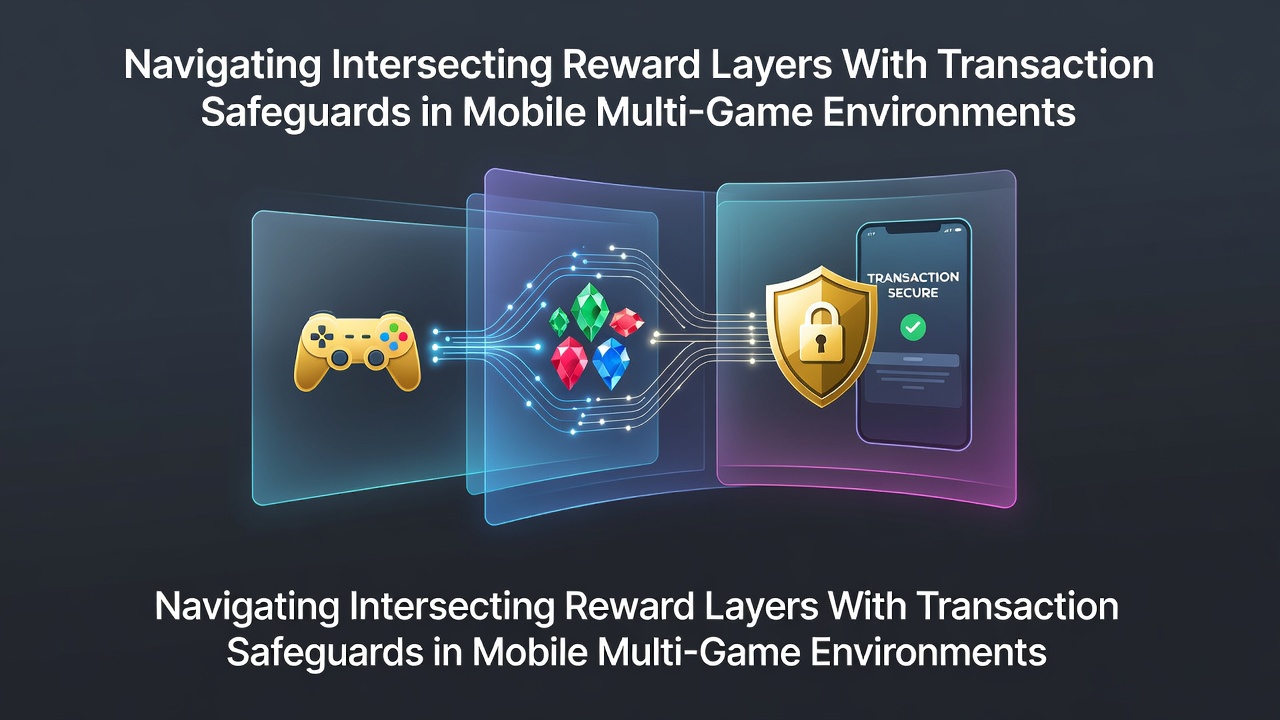
Balancing Layered Rewards and Payment Protections in Mobile Multi-Game Platforms
Operators in mobile multi-game environments face the task of aligning multiple reward layers that span slots, sports wagering, and live dealer formats while maintaining transaction safeguards that meet regulatory standards. Data from industry tracking services shows these platforms now serve millions of users who move between game types in single sessions, which creates overlapping point systems, tiered bonuses, and cashback structures that must operate without conflict.
Understanding Intersecting Reward Layers
Reward layers in these environments typically include base loyalty points earned per wager, bonus multipliers tied to specific game categories, and elite tier benefits that unlock across an entire account. Observers note that when a player earns points from sports bets that then apply to slot play, the system must track eligibility rules in real time to avoid double-counting or unintended stacking. Research indicates that platforms handling these intersections rely on centralized account ledgers that update across all game verticals within seconds of each transaction.
Take one major operator that integrated a unified rewards engine in 2025. Their data revealed that 62 percent of mobile users engaged with at least two game types weekly, which required the reward system to adjust accrual rates dynamically based on the combination of activities rather than treating each game in isolation. This approach reduced reward disputes while preserving the distinct value of each layer.
Transaction Safeguards Across Platforms
Payment safeguards in multi-game mobile settings incorporate identity verification, spending limit tools, and automated monitoring for irregular patterns. These measures apply uniformly whether a user deposits for table games or withdraws winnings from sports betting, yet they must accommodate different regulatory requirements that vary by jurisdiction. Figures from state regulatory bodies show that platforms with integrated safeguard systems processed over 40 million transactions in the first three quarters of 2026 without a corresponding rise in compliance incidents.
What's notable is how these safeguards intersect with reward layers. For instance, a player who reaches a new tier through combined sports and slots activity may trigger an additional verification step before the enhanced cashback becomes available. Such checkpoints prevent misuse while allowing legitimate users to access benefits without extended delays.

Regulatory Context in Late 2026
As of November 2026, several U.S. states have updated reporting requirements for mobile operators that manage intersecting rewards. The New Jersey Division of Gaming Enforcement requires detailed logs of how bonus funds move between game types, while similar rules in Pennsylvania emphasize real-time spending limit enforcement. Operators report that compliance costs have risen, yet integrated systems that combine reward tracking with transaction monitoring have helped contain those increases.
Industry associations such as the American Gaming Association have published guidance documents that outline best practices for aligning reward structures with payment controls. These resources highlight the importance of audit trails that capture every point transfer and safeguard activation in a single view, which simplifies oversight for both operators and regulators.
Implementation Patterns Observed in Practice
Platforms that successfully navigate these elements often adopt modular architectures. One module handles reward calculations across verticals, while a separate module enforces transaction rules such as deposit limits and withdrawal holds. Data from platform audits indicates that this separation allows updates to one area without disrupting the other, which proves useful when new game formats or regulatory changes appear.
People who manage these systems describe the need for continuous testing of edge cases, such as a user who qualifies for a sports-specific bonus that converts into general account credit usable on slots. Testing protocols check that safeguard flags activate correctly during the conversion process and that reward balances reflect accurate values after each step.
Conclusion
Mobile multi-game environments continue to evolve reward layers and transaction safeguards in tandem. Operators who maintain clear separation between calculation engines and compliance modules, while meeting jurisdiction-specific reporting standards, demonstrate measurable improvements in both user retention metrics and regulatory adherence. As adoption grows through November 2026 and beyond, the emphasis remains on systems that track intersections without introducing friction for legitimate play or oversight.