Payment Pathways and Oversight Tools: How Transaction Choices Shape Safeguard Adherence in Tiered Membership Models for Slots, Tables, and Sports Wagers
Written by Ellis Perry · Sep 4, 2026
Payment Pathways and Oversight Tools: How Transaction Choices Shape Safeguard Adherence in Tiered Membership Models for Slots, Tables, and Sports Wagers
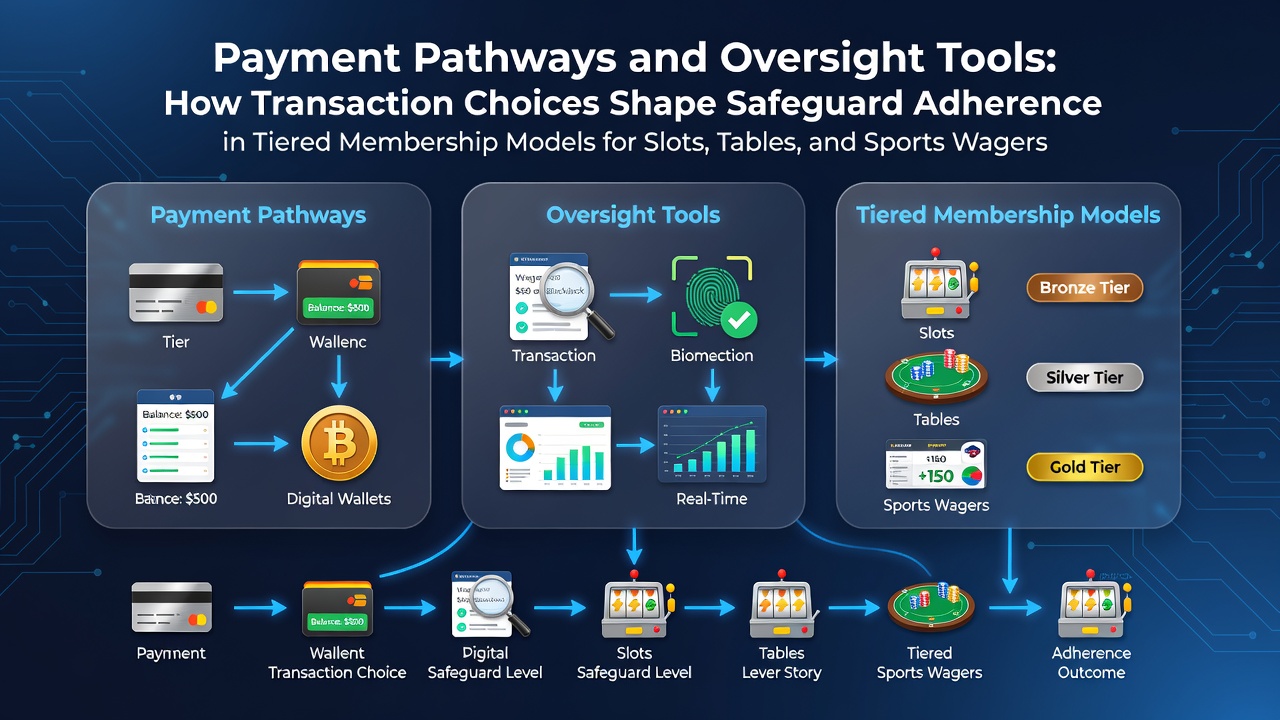
Payment pathways in tiered membership models connect directly to oversight tools that track transaction choices across slots, tables, and sports wagers, and these connections determine how operators maintain safeguard adherence. Operators structure membership tiers around spending thresholds and activity patterns, which means each payment method feeds data into monitoring systems designed to flag deviations from established rules. Research from regulatory bodies shows that electronic transfers, digital wallets, and card-based deposits create distinct data trails that oversight platforms analyze in real time, while cash or voucher methods require separate verification steps that can slow processing yet add layers of documentation.
Transaction Options and Their Data Footprints
Slots often process high volumes of small, rapid transactions, so payment pathways here rely on automated reconciliation tools that cross-reference tier status with deposit frequency and amount limits. Tables involve larger, less frequent wagers where oversight mechanisms shift toward manual review protocols linked to player identification and session length records. Sports wagers introduce variable timing and event-based triggers, which forces oversight systems to incorporate live data feeds from betting platforms to verify compliance with deposit caps and withdrawal windows tied to each membership level. Observers note that when members select instant payment options, the systems capture metadata such as device location and account age, feeding these details into algorithms that adjust safeguard intensity based on tier progression.
Tier Structures and Compliance Triggers
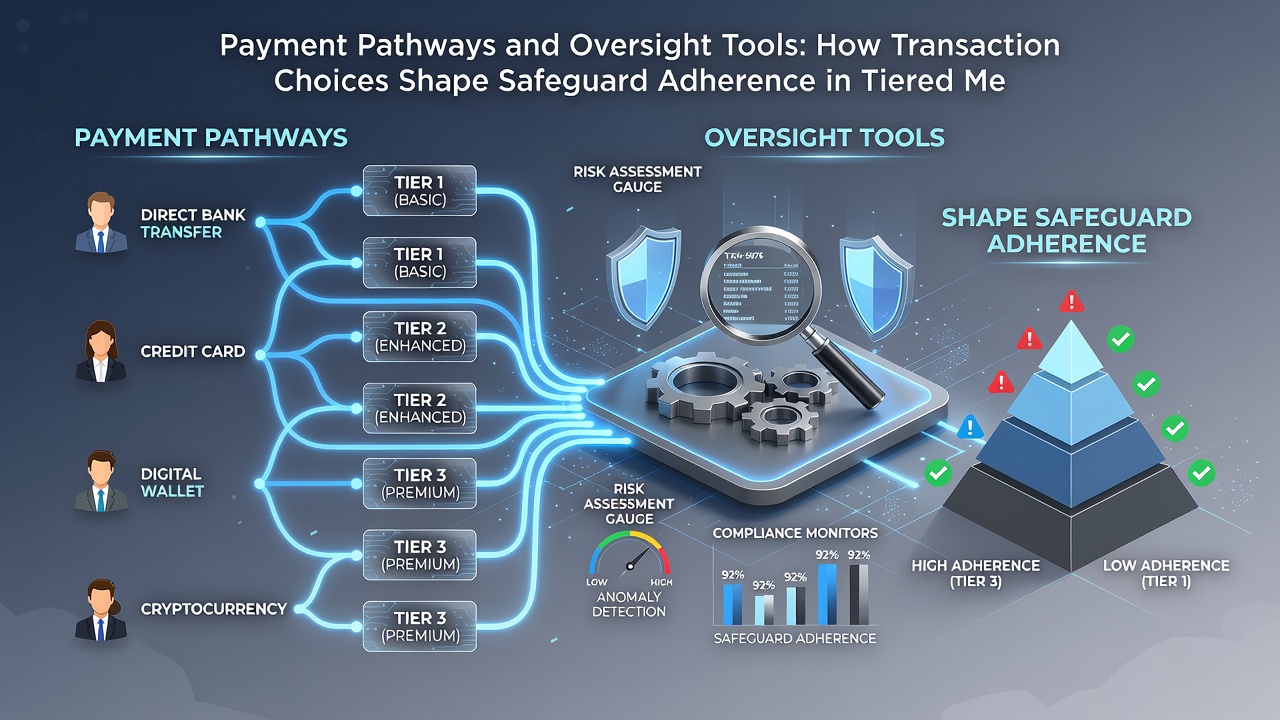
Tiered models typically divide members into entry, intermediate, and premium categories, each carrying distinct transaction limits and verification requirements. Data from the Nevada Gaming Control Board indicates that higher tiers receive expanded deposit allowances only after sustained adherence to lower-tier rules, and payment choices influence how quickly members advance because certain methods trigger faster audits. In September 2026, several U.S. state regulators updated reporting standards that require operators to log every payment pathway used within each tier, creating unified datasets that highlight patterns across game types. Those who manage multi-platform systems report that integrating slots, tables, and sports data streams allows oversight tools to apply consistent rules while accommodating the unique pacing of each vertical.
Oversight Mechanisms Across Game Categories
Oversight tools function through layered software that receives inputs from payment processors and game servers simultaneously. For slots, the focus rests on velocity controls that pause accounts when transaction clusters exceed tier parameters, and these pauses generate automatic alerts sent to compliance teams. Tables demand visual confirmation protocols in addition to digital logs, so oversight platforms link payment records to table management systems that record chip movements and player positions. Sports wagers add complexity because live odds and in-play betting create fluctuating liability, prompting oversight systems to apply dynamic hold periods on funds based on the chosen payment route and the member's current tier standing. Figures from the Australian Communications and Media Authority reveal that operators using unified oversight dashboards across all three categories reduce discrepancies in safeguard reporting by coordinating payment data with activity logs in a single interface.
Integration Challenges and System Responses
Operators face integration challenges when payment pathways differ in speed and documentation standards, yet modern oversight tools address this by mapping each method to specific compliance checkpoints. A single digital wallet deposit might bypass initial screening in lower tiers but require secondary approval once the member reaches premium status, and the system records this shift automatically. Sports betting platforms in particular benefit from event-driven triggers that tie wager settlements to pending deposits, ensuring that safeguard adherence remains continuous rather than episodic. Researchers at academic institutions studying gaming regulation have documented cases where mismatched payment and tier data led to temporary account restrictions, demonstrating how tightly transaction choices and oversight tools interlock.
Conclusion
Payment pathways and oversight tools together form the backbone of safeguard adherence within tiered membership models, and the specific transaction choices members make determine how smoothly data flows between game categories and compliance systems. Slots, tables, and sports wagers each impose unique demands on these frameworks, yet integrated monitoring solutions allow operators to maintain consistent standards across all three. Regulatory updates scheduled through late 2026 continue to emphasize real-time data sharing between payment processors and oversight platforms, reinforcing the connection between transaction selection and adherence tracking.