Reward Systems and Their Effects on Oversight Tools in Multi-Format Digital Gaming Platforms
Written by Gisela Friedrich · Oct 30, 2026
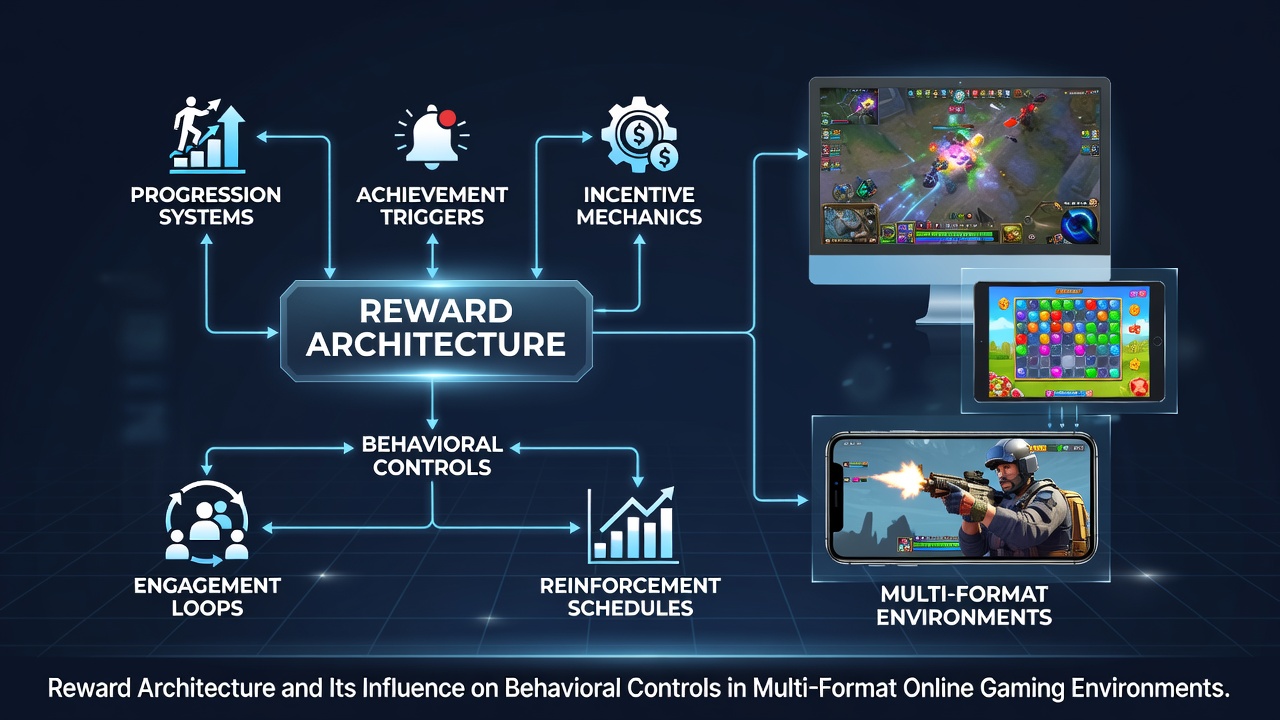
Reward Systems and Their Effects on Oversight Tools in Multi-Format Digital Gaming Platforms
Operators design reward architectures that layer bonuses, loyalty points, and tiered benefits across slots, sports wagers, and live dealer tables, and these structures interact directly with behavioral control mechanisms such as deposit limits, session reminders, and self-exclusion flags. Data collected in October 2026 shows that platforms operating in multiple jurisdictions adjust point multipliers and cashback rates to align with regional responsible gaming mandates while maintaining player engagement metrics.
Core Components of Reward Architecture
Modern systems combine immediate rewards like free spins or matched deposits with longer-term progression ladders that unlock personalized offers, and these elements connect to backend databases that track play patterns in real time. When a player reaches a new tier, the platform can automatically adjust available controls, such as raising or lowering loss limits based on historical activity, which regulators in several U.S. states require operators to document.
Studies from research institutions indicate that reward velocity influences how quickly players move between formats, for instance shifting from video slots to in-play sports betting when bonus funds carry rollover conditions that span both verticals. This cross-format movement requires unified tracking so that any behavioral flag triggered in one area propagates to the others without delay.
Integration With Behavioral Controls
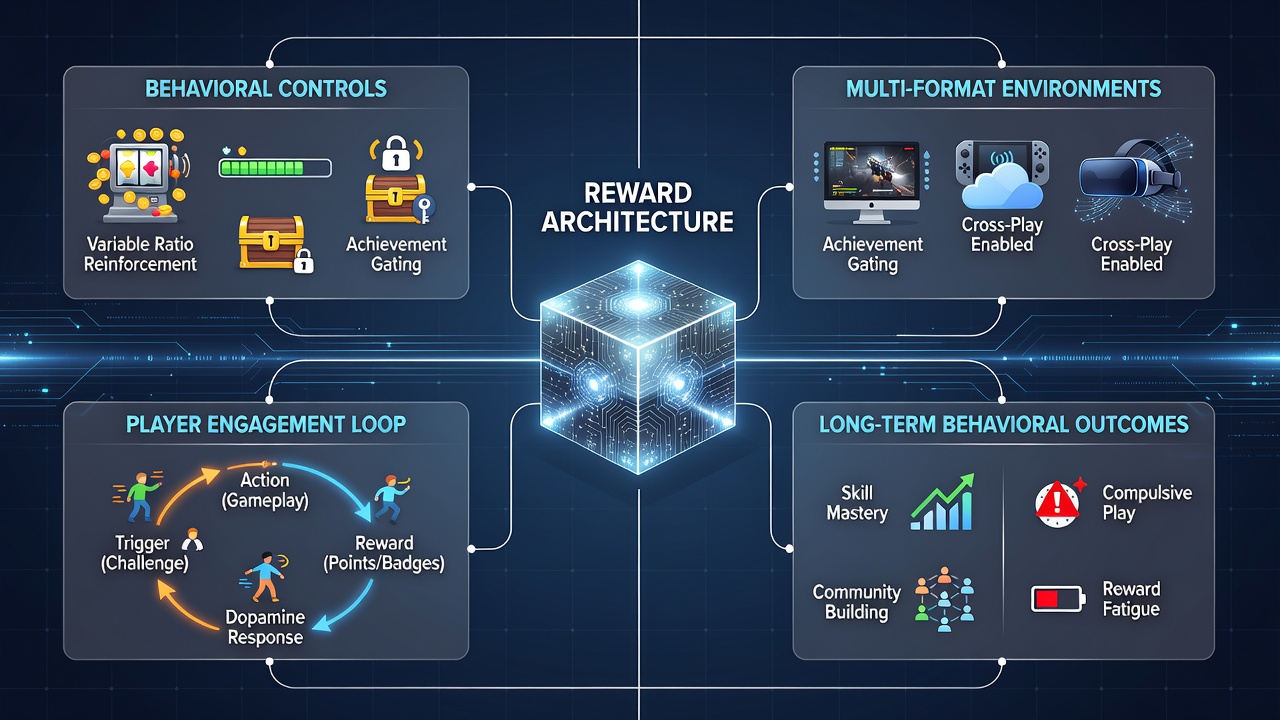
Behavioral tools sit inside the same loyalty engine that calculates rewards, allowing an operator to pause bonus accrual for accounts that exceed predefined thresholds or to require a cooling-off period before tier benefits activate again. Reports from the Nevada Gaming Control Board detail how these linked systems reduced repeat high-velocity sessions by routing flagged accounts into restricted reward tracks that still provide basic access but remove accelerated earning rates.
Multi-platform environments add another layer because mobile and desktop sessions share the same player profile, which means a limit set on a tablet carries over to the desktop sports book automatically. Industry data collected through September and October 2026 confirms that synchronized controls lower the incidence of players attempting to bypass restrictions by switching devices.
Format-Specific Applications
In slot environments, reward structures often emphasize frequent small wins and near-miss mechanics that feed into loyalty meters, while behavioral overlays monitor spin velocity and trigger reality checks when patterns exceed safe parameters. Sports betting platforms, by contrast, tie rewards to parlay success or live-bet volume, and the control layer can limit same-game multi-leg wagers once daily exposure caps are reached.
Live casino sections blend table game play with chat-based engagement rewards, and operators apply the same unified profile to enforce time-based session limits that pause both dealer interaction and point accumulation. Observers note that this consistency across formats reduces confusion for players who move between verticals within a single session.
Regulatory and Data Considerations
Regulators in multiple regions require operators to demonstrate that reward systems do not undermine control tools, which has led to third-party audits of loyalty algorithms. A 2026 industry report prepared for Australian state authorities examined how bonus structures affect adherence to harm-minimization settings and found measurable differences based on reward frequency rather than total value.
Platforms must also handle cross-border data flows when players access the same account from different countries, and this requirement has prompted the adoption of standardized APIs that separate reward eligibility from control enforcement. Those who manage these systems report that the separation allows updates to responsible gaming rules without disrupting ongoing loyalty campaigns.
Conclusion
Reward architecture continues to evolve alongside behavioral control requirements in multi-format online gaming, with operators using shared data layers to keep both functions aligned. Figures from regulatory filings through October 2026 illustrate steady refinement of these integrations as new formats and player preferences emerge, and the emphasis remains on maintaining consistent oversight regardless of how rewards are earned or redeemed.